

Philip E. Dawson
Professor
Scripps Research Institute
Talk Information
Exploration of Selectivity and Methods for Targeting Disease
18 June 2025, 05:30pm - 06:15pm, in the Pacific Jewel Ballroom
L53 - AW – Building Proteins from Scratch
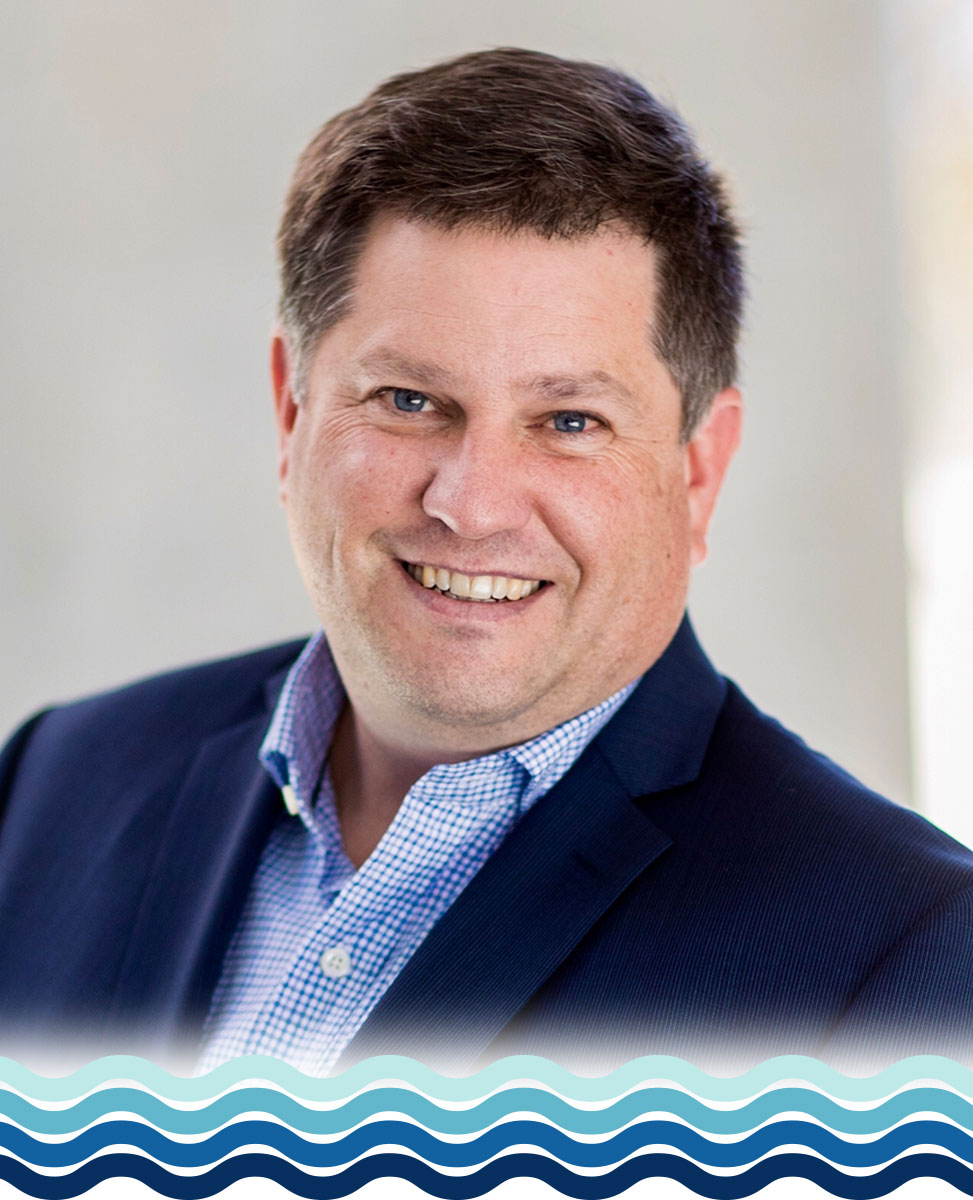
Award Recipient
2025 R. Bruce Merrifield Award
From 1977 to 1995, this was The Alan E. Pierce Award, sponsored by the Pierce Chemical Company. The Merrifield Award was established in 1997 by an endowment from Rao Makineni. The Merrifield Award, presented at the biennial symposia, recognizes the lifetime achievement of a peptide scientist, whose work exemplifies the highest level of scientific creativity.
Professor Philip E. Dawson is a renowned chemist specializing in synthetic protein chemistry and peptide science. He currently serves as a Professor in the Department of Chemistry at Scripps Research in La Jolla, California, and chairs the Graduate School Advisory Committee of the Skaggs Graduate School of Chemical and Biological Sciences.
Academic Background
Dr. Dawson earned his A.B. in Chemistry from Washington University in St. Louis in 1992. He completed his Ph.D. in Macromolecular and Cellular Structure and Chemistry at Scripps Research in 1996. Following postdoctoral research at the California Institute of Technology, he returned to Scripps Research as an Assistant Professor in 1997, advancing to full Professor by 2016. He served as Dean of Graduate and Postdoctoral Studies from 2017 to 2024 and currently chairs the Graduate School Advisory Committee.
Research Focus
Professor Dawson's research centers on developing chemoselective methods for protein synthesis and bioconjugation. His lab has pioneered techniques such as native chemical ligation, enabling the assembly of complex polypeptides and the incorporation of non-natural amino acids into proteins. These methodologies have broad applications in understanding protein function and developing novel therapeutics.
Notable Contributions
Dr. Dawson has authored over 190 peer-reviewed publications, contributing significantly to the fields of peptide chemistry and chemical biology. His work has facilitated advancements in protein engineering, drug development, and the study of protein-protein interactions.
Awards and Honors
Professor Dawson's contributions have been recognized with numerous awards, including:
- Arthur C. Cope Scholar Award, American Chemical Society, 2024
- Cathay Award, Chinese Peptide Society, 2024
- Akabori Memorial Award, Japanese Peptide Society, 2020
- Leonidas Zervas Award, European Peptide Society, 2014
- Max Bergmann Gold Medal, 2011
- Vincent du Vigneaud Award, American Peptide Society, 2010
- Alfred P. Sloan Research Fellowship, 1999–2001
Professional Engagements
Beyond his research, Dr. Dawson has served as President of the American Peptide Society, 2013–2018, and has been involved in organizing major scientific conferences, including the American Peptide Symposium and the Gordon Research Conference on the Chemistry and Biology of Peptides. He also contributes to the scientific community through editorial roles and participation in advisory boards.
Through his innovative research and leadership, Professor Philip E. Dawson continues to advance the field of peptide science, making significant contributions to our understanding of protein chemistry and its applications in medicine.
Building Proteins from Scratch
Proteins are the macromolecules through which biological function is mediated. Despite their central importance, synthetic chemists often consider them to be the targets of synthetic small molecules rather than the synthetic targets themselves. The repetitive chemical structure of many biological macromolecules suggests a chemical simplicity, yet in practice these molecules are deceptively difficult to assemble using the traditional organic synthesis toolkit.
One of the most significant advances in the assembly of these molecules has been the optimization of Merrifield’s solid phase synthesis to produce highly pure, unprotected segments, followed by highly chemoselective, chemical ligation methods to assemble the segments and facilitate precise late-stage modification.
The development of the Native Chemical Ligation / Desulfurization approach for protein synthesis will be discussed and how it can be applied to the synthesis of complex macromolecular targets. In addition, a variety of non-native ligation chemistries have been explored through careful optimization of reaction rates top optimize utility and chemoselectivity. Reversible Absorption to a Solid Support, RASS, approach will be presented with applications to protein and nucleic acid targets including DNA encoded libraries. Together, these methods provide a robust toolkit for macromolecule synthesis that has been broadly utilized to advance peptide and protein science.